
The Significance of Handfasting in Modern Ceremonies
Understanding Handfasting
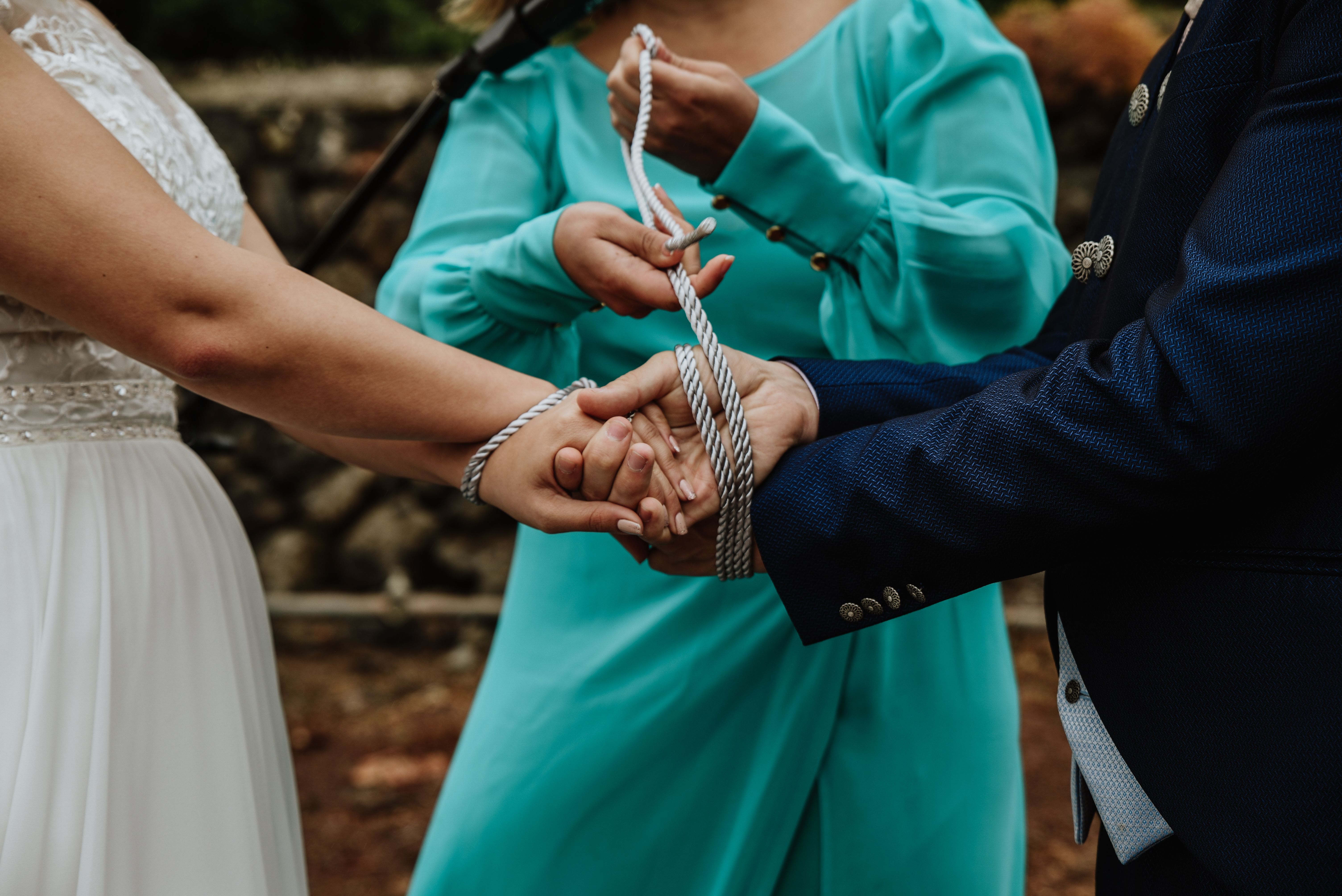
Handfasting is an ancient tradition with roots in Celtic culture, often viewed as a precursor to modern wedding ceremonies. It involves a couple's hands being tied together with cords or ribbons, symbolising their union. This ritual has seen a resurgence in popularity as couples seek more personalised and meaningful ceremonies.
Unlike traditional weddings, handfasting can be a highly individualised experience. Couples often choose to incorporate specific colors, materials, and even cultural elements that resonate with their personal stories and values. This customisation allows for a unique expression of commitment.
The Symbolism of Handfasting
The physical act of binding hands represents a couple's intention to unite their lives. The cords or ribbons symbolise the ties of love, trust, and mutual respect. This symbolic gesture is often accompanied by vows, further enhancing the significance of the moment.
Handfasting is not just a symbolic act; it is a visual representation of a couple's commitment to each other. This powerful imagery can resonate deeply, leaving a lasting impression on both the couple and their guests.
Materials and Colors
The choice of materials and colors used in handfasting can add layers of meaning. For instance, using a family heirloom ribbon can connect the couple to their ancestry, while specific colors might symbolise values like passion, purity, or prosperity. Each element can be carefully chosen to reflect the couple's journey and aspirations.
Common Handfasting Colour Meanings
Red: Passion, strength, lust, courage, and love.
White: Purity, concentration, peace, and new beginnings.
Blue: Fidelity, tranquility, patience, and devotion.
Green: Fertility, prosperity, health, and nurturing.
Gold: Energy, wealth, intelligence, and longevity.
Yellow: Charm, confidence, joy, and balance.
Purple: Power, piety, sanctity, and healing.
Black: Strength, wisdom, vision, and success.
Pink: Romance, unity, honor, and happiness.
Orange: Encouragement, attraction, kindness, and plenty.
Brown: Grounding, home, stability, and nurturing.
Silver: Creativity, inspiration, and protection.
Grey: Balance, neutrality, and canceling negativity.
Incorporating Handfasting in Modern Ceremonies
Many modern couples choose to incorporate handfasting into their wedding ceremonies to highlight their commitment in a unique way. This ritual can stand alone or be integrated into a larger ceremony, offering flexibility in how it is presented.
Some couples opt for a secular approach, focusing solely on the symbolism of unity, while others include religious or spiritual elements, making the ceremony deeply personal and reflective of their beliefs.

The Lasting Impact of Handfasting
Handfasting ceremonies often leave a memorable impact due to their intimate and personalised nature. Guests who witness such a ceremony frequently report feeling more connected to the couple and the event itself. The unique visual and emotional elements can create a profound sense of shared experience.
Ultimately, handfasting offers a way for couples to express their love and commitment in a manner that is both timeless and contemporary. As more people seek to break away from traditional norms, this ancient ritual continues to find new relevance in modern celebrations.